
The Amygdala
Why Your Brain Thinks You’re Still in Danger

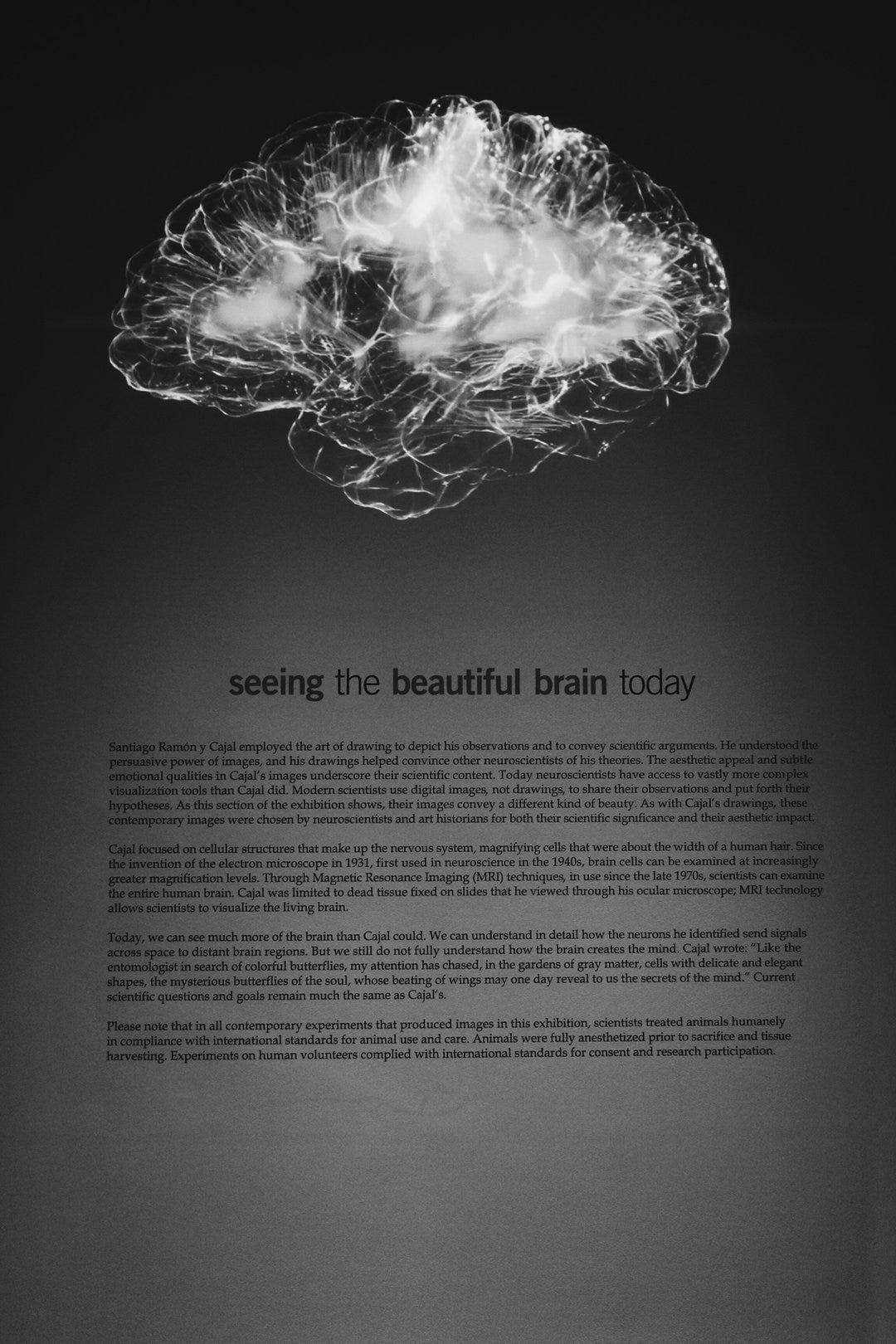
Have you ever reacted to something and immediately thought: “Why did I respond like that?”
Maybe it was a text message, a certain look from someone you care about, a difficult conversation or even a piece of feedback at work.
Logically, you knew it wasn’t a major threat but still your heart raced, your stomach tightened, your mind started scanning for what was wrong. The reaction arrived before the thinking.
The brain’s threat detection system doesn’t wait for permission. It acts first.
And at the centre of that system sits a small but incredibly powerful structure called the amygdala.
Meet Your Internal Alarm System
The amygdala is often described as the brain’s smoke detector or security guard. Its primary role is simple - to keep you alive.
It constantly scans both your external environment and your internal world for signs of danger. The important thing to understand is that the amygdala is not interested in being accurate. It is interested in being protective.
From an evolutionary perspective, it is far better to mistake a stick for a snake than a snake for a stick. The cost of a false alarm is low but the cost of missing real danger could be fatal. So the brain evolved to err on the side of caution.
The Problem With Chronic Stress
For somebody who has lived through prolonged stress, adversity, trauma, instability or unpredictability, the amygdala often becomes highly efficient at spotting potential threats.
The brain learns, remembers and adapts.
In fact, modern neuroscience suggests that the brain is constantly making predictions based on previous experience. It is not simply reacting to the world as it unfolds. It is attempting to anticipate what is about to happen next.
This means the nervous system isn’t always responding to what is happening. Sometimes it is responding to what it expects might happen.
The person who grew up around criticism may become highly sensitive to feedback. The person who experienced rejection may become alert to subtle changes in tone. The person who lived with unpredictability may constantly scan for what could go wrong.
Their nervous system learned that staying alert increased the chances of survival.
Why Small Things Can Feel Big
One of the most common things I hear from clients is: “I know I’m overreacting.” But the reality is usually more nuanced.
The amygdala isn’t responding to the event alone. It’s responding to the meaning it has learned to attach to similar experiences. A delayed reply may not simply be a delayed reply.
For one nervous system it means nothing.
For another it might unconsciously resemble:
abandonment
exclusion
rejection
criticism
uncertainty
The reaction feels disproportionate because the brain is connecting present experience with a vast library of previous learning. The nervous system is making predictions based on history.
When the Alarm Becomes Too Sensitive
Imagine a smoke alarm that goes off every time you make toast, the alarm is functioning, it’s just become too sensitive.
Many nervous systems operate in a similar way after prolonged periods of stress. The alarm system becomes calibrated for danger. The body remains prepared.
Muscles tighten.
Breathing changes.
Sleep becomes lighter.
Attention narrows.
Thoughts become faster.
Energy is diverted away from long-term maintenance and toward immediate protection.
The nervous system begins spending its resources preparing for threats that may never arrive. This is one reason chronic stress can affect far more than emotions.
It can influence:
digestion
immune function
inflammation
recovery
sleep quality
concentration
relationships
The whole system becomes organised around protection.
Why Logic Often Isn’t Enough
One of the biggest frustrations people experience is this: “I know I’m safe, but I don’t feel safe.”
This makes perfect sense when we understand how the brain works. The amygdala responds faster than conscious thought. By the time the thinking brain catches up, the body may already be preparing for action. Insight alone doesn’t always create change.
You can understand a pattern completely and still find yourself reacting.
As one of the most important lessons in trauma recovery teaches us that the intellect cannot reason its way out of a physiological alarm. The nervous system needs experiences of safety, not simply explanations of safety.
What Helps the Amygdala Relax?
The good news is that the brain remains adaptable throughout life.
The amygdala learns through experience, which means it can also learn something new.
This is where approaches such as IEMT, SSP, somatic practices, breathwork and Yoga Nidra can become valuable. Each works in slightly different ways, but they share a common goal: Helping the nervous system gather new information.
Information that says:
The danger has passed.
You don’t need to stay on high alert.
You don’t need to prepare for impact.
You can stand down.
When enough new experiences of safety accumulate, the brain begins updating its predictions.
And when predictions change, responses begin to change too.
Take a moment to consider:
What situations trigger the strongest reactions in me?
What might my nervous system have learned about those situations?
What am I constantly preparing for?
What feels unsafe, even when I know logically that I am okay?
How much of my energy is spent anticipating rather than experiencing?
Many people spend years fighting their reactions.
Trying to control them.
Suppress them.
Judge them.
But healing often begins somewhere else.
With curiosity.
Because beneath every reaction is a nervous system trying to protect you.
The question is not: “What’s wrong with me?”
The question is: “What has my nervous system learned?”
And perhaps more importantly: “Can it learn something new?”
If you’d like to explore working together, you can find more information here: → WEBSITE
Apply to work with me HERE